
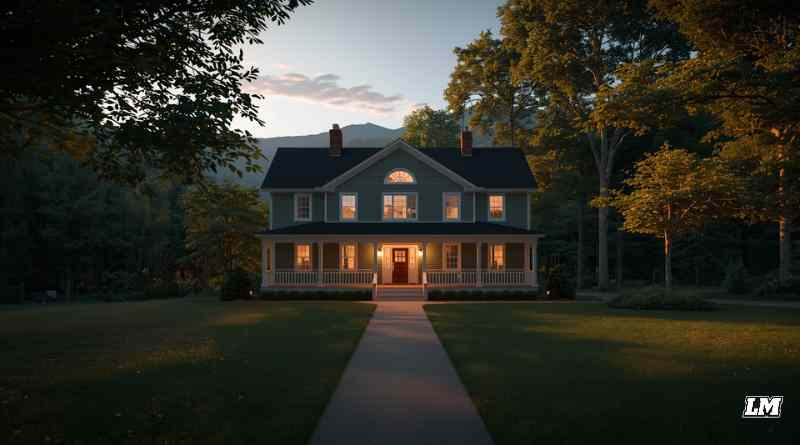
Amity House New Hampshire Campton Wolfe: Complete Guide
If you’re searching for amity house new hampshire campton wolfe, you’re likely looking for clear, reliable information about what it is, how it works, and why it matters. I think understanding this place properly is important, you know, because it’s often mentioned but not fully explained.
In simple words, Amity House in Campton, New Hampshire, is associated with recovery, structured living, and community support, especially for individuals rebuilding their lives. But there’s more depth to it than just that.
What Is Amity House New Hampshire Campton Wolfe?
Amity House New Hampshire Campton Wolfe refers to a residential recovery-focused environment located in Campton, NH. It is generally connected to structured housing programs designed for individuals transitioning from addiction recovery or difficult life situations.
These types of houses are often called:
- Sober living homes
- Transitional housing
- Recovery residences
- Supportive community homes
The main goal is simple: provide a safe, structured, and supportive environment where individuals can rebuild stability.
Understanding the Purpose of Amity House
Let’s keep it real, recovery is not just about stopping something harmful. It’s about rebuilding your entire life.
That’s where places like Amity House come in.
Core Objectives
- Provide a drug- and alcohol-free environment
- Offer structure and daily routine
- Encourage accountability
- Build community support
- Help residents transition back into society
This is not just housing. It’s a foundation for long-term change.
Location Insight: Campton, New Hampshire
Campton is a small town in New Hampshire known for its quiet environment and natural surroundings.
Why This Location Matters
- Peaceful setting supports recovery
- Less exposure to triggers compared to busy cities
- Strong sense of community
- Access to nature (which helps mental health)
For many people, this environment plays a big role in their progress.
Who Is Amity House For?
The amity house new hampshire campton wolfe setup is not for everyone. It is specifically designed for individuals who:
- Are in recovery from substance use
- Have completed or are transitioning from rehab
- Need structured living support
- Want accountability and routine
- Are serious about rebuilding their life
Not Suitable For:
- People actively using substances
- Those unwilling to follow house rules
- Individuals not ready for shared responsibility
How Amity House Works (Daily Life Explained)
Life inside Amity House is structured but not overly restrictive.
Typical Daily Structure
| Time | Activity |
|---|---|
| Morning | Wake up, chores, personal routine |
| Daytime | Work, job search, or programs |
| Evening | Group meetings or check-ins |
| Night | Quiet time and rest |
Key Rules
- No drugs or alcohol
- Curfews must be followed
- Participation in house responsibilities
- Respect for others
- Attendance in recovery meetings (often required)
This structure helps build discipline and stability.
The Role of Wolfe in Amity House Context
You may notice the term “Wolfe” connected with amity house new hampshire campton wolfe. This can refer to:
- A specific program variation
- A management or administrative reference
- A naming distinction tied to a person or internal structure
However, details can vary depending on the source. It’s always best to verify directly with the organization if you need exact clarification.
Benefits of Staying at Amity House
Let’s talk about real value, what someone actually gains from living here.
1. Structured Environment
You don’t have to figure everything out alone. The structure keeps you on track.
2. Peer Support
Living with others who understand your journey makes a huge difference.
3. Accountability
Rules and expectations help prevent relapse.
4. Life Skills Development
Residents often rebuild:
- Work habits
- Financial responsibility
- Social skills
5. Safer Transition
Instead of going straight back into old environments, this acts as a buffer.
Challenges You Should Know
No place is perfect, and it’s important to stay realistic.
Possible Downsides
- Strict rules can feel limiting
- Shared living may not suit everyone
- Adjustment period can be difficult
- Requires commitment and discipline
But honestly, these challenges are part of the growth process.
Cost and Financial Expectations
Costs can vary depending on the program structure.
Typical Expenses
- Weekly or monthly rent
- Security deposit
- Program fees (if applicable)
Payment Options
- Self-pay
- Support from family
- Assistance programs (in some cases)
Compared to rehab centers, these are usually more affordable.
Admission Process: How to Apply
Getting into amity house new hampshire campton wolfe usually involves a simple but structured process.
Step-by-Step
- Initial inquiry or contact
- Screening interview
- Background and recovery status check
- Agreement to house rules
- Move-in approval
What They Look For
- Commitment to recovery
- Willingness to follow rules
- Stability mindset
Comparison: Amity House vs Rehab Centers
Many people confuse these two. Let’s clear it up.
| Feature | Amity House | Rehab Center |
|---|---|---|
| Purpose | Support recovery | Treat addiction |
| Structure | Semi-independent | Highly structured |
| Duration | Long-term | Short-term |
| Cost | Lower | Higher |
| Freedom | More flexibility | Limited freedom |
Think of Amity House as the next step after rehab, not a replacement.
Why People Search for Amity House Campton Wolfe
Search intent matters, especially for SEO.
People usually look for this keyword because they want:
- Contact details
- Admission info
- Reviews or experiences
- Program structure
- Location insights
This article aims to answer all of that in one place.
Is Amity House Safe?
Safety is a major concern, and rightly so.
Safety Factors
- Substance-free environment
- House rules enforced
- Peer monitoring
- Structured supervision
While no environment is 100% risk-free, these systems reduce risk significantly.
Real-Life Impact (What Changes for Residents)
People who stay in structured recovery homes often experience:
- Improved mental clarity
- Better decision-making
- Rebuilt relationships
- Stable routines
- Increased confidence
According to recovery studies, structured sober living can significantly reduce relapse rates, especially within the first year.
Tips Before Choosing Amity House
If you’re considering it, here’s some practical advice.
What You Should Do
- Ask about rules clearly
- Understand financial commitments
- Check house environment
- Talk to current or past residents if possible
- Be honest about your readiness
This helps avoid surprises later.
Common Misconceptions
Let’s clear a few myths.
“It’s just a shared house”
No. It’s structured and recovery-focused.
“You can do whatever you want”
Not true. Rules are strict for a reason.
“It replaces rehab”
It doesn’t. It supports recovery after treatment.
Final Thoughts
So, when you look at amity house new hampshire campton wolfe, it’s not just a location—it’s a stepping stone.
It offers structure, support, and a real chance to rebuild life in a controlled environment.
I think the key thing to understand is this: success here depends on the individual. The system supports you, but you still have to put in the effort.
FAQs
What is Amity House New Hampshire Campton Wolfe used for?
Amity House New Hampshire Campton Wolfe is primarily used as a structured recovery residence. It helps individuals transition from addiction treatment into independent living. The environment focuses on stability, routine, and support.
How long can someone stay at Amity House?
The length of stay can vary depending on individual progress and program rules. Some residents stay for a few months, while others may remain longer to ensure stability. It usually depends on personal recovery goals and compliance with house guidelines.
Do residents need to attend meetings regularly?
Yes, in most cases, attending recovery meetings is either required or strongly encouraged. These meetings help reinforce accountability and provide emotional support. They are a key part of maintaining long-term recovery.
Is Amity House only for people recovering from addiction?
Primarily, yes. Most residents are individuals recovering from substance use issues. However, some programs may also support people needing structured transitional housing for stability and personal rebuilding.
Can residents work while staying at Amity House?
Absolutely. In fact, working or actively searching for a job is often encouraged or required. It helps residents regain independence, build routine, and manage financial responsibilities.
How is Amity House different from halfway houses?
While similar, Amity House may offer more structured support compared to some halfway houses. It often focuses heavily on accountability, peer support, and long-term recovery stability rather than just temporary housing.