
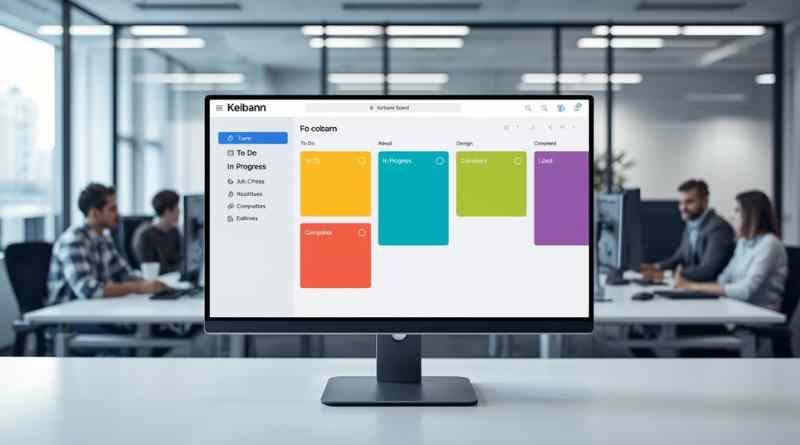
Keibann: Simple Guide to Smarter Workflow Management
Keibann is a simple way to manage work visually. It lets teams organize tasks, see progress at a glance, and stay on the same page. Whether for projects, clients, or daily tasks, it keeps work clear, focused, and efficient. This guide shows how to use keibann in real, practical workflows.
What Is Keibann? (Simple Explanation)
Keibann is a modern workflow management approach where tasks are organized visually using boards and columns. It helps teams see what needs to be done, what is in progress, and what is already completed.
Instead of using long lists or emails, keibann shows everything in one place. This makes it easier to manage work and avoid confusion.
Many people confuse keibann with Kanban. While they are similar, keibann focuses more on flexibility and digital workflows, especially for startups and online teams.
Quick Takeaway
- Keibann = visual workflow system
- Helps track tasks easily
- Improves team clarity and speed
- Works best for digital teams and startups
How Keibann Works (Step-by-Step)
Understanding keibann becomes easier when you see how it works in real life.
Step 1: Create Workflow Stages
Start by creating simple stages like:
- To Do
- In Progress
- Completed
These stages represent the flow of your work.
Step 2: Add Tasks as Cards
Each task is added as a card.
For example:
- Design homepage
- Write blog post
- Fix bug
Each card can include details like deadlines, notes, and assigned team members.
Step 3: Move Tasks Across Stages
As work progresses, tasks move from one stage to another.
For example:
- A task starts in “To Do”
- Moves to “In Progress”
- Ends in “Completed”
This movement shows progress clearly.
Step 4: Track Progress in Real Time
With keibann, you can instantly see:
- What is pending
- What is being worked on
- What is finished
This real-time view helps teams stay aligned and avoid delays.
Key Components of Keibann System
To use keibann effectively, you need to understand its core elements.
Boards
A board is the main workspace where all tasks are organized.
Each project usually has its own board.
Columns
Columns represent different stages of work.
They help you understand where each task stands.
Task Cards
Task cards are individual work items.
They include details like description, deadline, and assigned person.
Work-in-Progress Limits
This limits how many tasks can be in progress at one time.
It helps teams stay focused and avoid overload.
Automation
Automation reduces manual work.
For example:
- Automatically moving tasks
- Sending notifications
- Updating statuses
Real-Life Examples of Keibann
This is where keibann becomes truly powerful. Let’s look at real use cases.
Startup Product Development
A startup building an app can use keibann to manage:
- Feature ideas
- Development tasks
- Testing phases
It keeps the entire product process organized.
Marketing Team Workflow
Marketing teams can manage:
- Campaign planning
- Content creation
- Social media posts
This makes collaboration easier across team members.
Freelancers Managing Clients
Freelancers can use keibann to track:
- Client projects
- Deadlines
- Deliverables
It helps avoid missed deadlines and confusion.
Content Creation Process
Content teams can organize:
- Topic research
- Writing
- Editing
- Publishing
This creates a smooth workflow from start to finish.
Benefits of Using Keibann
Keibann offers practical benefits that improve daily work.
- Better visibility: You can see everything at a glance
- Faster execution: Tasks move quickly through stages
- Clear communication: Everyone knows what’s happening
- Reduced bottlenecks: Problems are spotted early
Keibann vs Kanban (Clear Comparison Table)
| Feature | Keibann | Kanban |
|---|---|---|
| Flexibility | More adaptive | Structured |
| Use Case | Startups, digital teams | Manufacturing, dev teams |
| Complexity | Simple | Moderate |
| Tools | Modern digital tools | Traditional + digital |
| Approach | Visual + strategic | Visual workflow |
This comparison shows why keibann is becoming popular in digital environments.
Best Tools to Use for Keibann
You don’t need special software to start keibann, but these tools make it easier.
Trello
Simple and beginner-friendly.
Great for small teams and freelancers.
Notion
Flexible tool that combines notes and workflow management.
Good for content teams.
Jira
Best for developers and technical teams.
Offers advanced tracking features.
ClickUp
All-in-one tool with automation and customization.
Suitable for growing teams.
How to Implement Keibann in Your Team
Getting started with keibann doesn’t have to be complicated.
Start Simple
Use only a few columns in the beginning.
Avoid adding too many stages.
Define Clear Tasks
Each task should be clear and specific.
This avoids confusion later.
Limit Work in Progress
Don’t overload your team.
Focus on completing tasks before starting new ones.
Review Weekly
Check your board regularly.
Improve the workflow based on what you see.
Common Mistakes to Avoid
Many teams fail because they overcomplicate things.
- Adding too many columns
- Not updating tasks regularly
- Making the system too complex
- Ignoring team participation
Keeping things simple is the key.
Advanced Tips to Improve Workflow
Once you understand keibann, you can take it further.
- Use automation to save time
- Track how long tasks stay in each stage
- Identify slow areas in your workflow
- Keep your board clean and updated
These small improvements can boost productivity significantly.
Who Should Use Keibann?
Keibann is useful for many types of users.
- Startups looking for flexibility
- Remote teams working across locations
- Agencies managing multiple clients
- Freelancers handling multiple projects
It works best where clarity and speed are important.
Future of Keibann
Keibann is evolving with technology.
- AI will help predict delays
- Automation will reduce manual work
- Smart workflows will improve efficiency
As remote work grows, keibann will become even more valuable.
Conclusion
Keibann is a simple but powerful way to manage work. It helps teams stay organized, focused, and productive without adding complexity.
Whether you’re a startup, freelancer, or part of a growing team, keibann can make your workflow smoother and more efficient.
The best part is that you can start small and improve over time.
FAQs
What is keibann in simple words?
Keibann is a visual system that helps you organize and track tasks. It shows what work needs to be done, what is in progress, and what is completed. This makes it easier to manage projects and stay organized.
Is keibann the same as kanban?
Keibann and Kanban are similar, but not exactly the same. Kanban is a traditional workflow method, while keibann is more flexible and adapted for modern digital teams. It focuses more on real-time collaboration and simple workflows.
Which tools support keibann?
Tools like Trello, Notion, Jira, and ClickUp support keibann workflows. These tools allow you to create boards, manage tasks, and track progress easily. You can choose based on your team size and needs.
Can freelancers use keibann?
Yes, freelancers can use keibann to manage multiple clients and projects. It helps them track deadlines, organize tasks, and avoid missing important work. It is especially useful for solo professionals.
Is keibann good for small teams?
Keibann works very well for small teams. It keeps communication clear and ensures everyone knows what they are working on. It also helps teams stay organized without using complicated systems.
How do I start using keibann today?
You can start by creating a simple board with three columns: To Do, In Progress, and Completed. Add your tasks as cards and move them as work progresses. You can use tools like Trello or even a simple whiteboard to begin.