
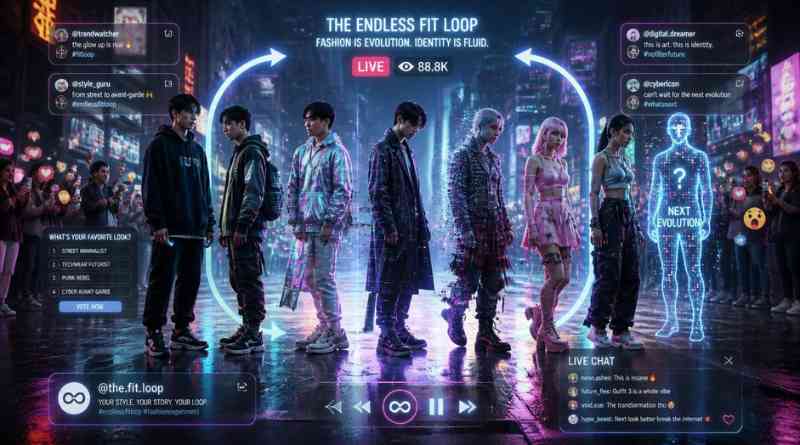
Fashion’s Never Finished Gif Social Experiment
The phrase “fashion’s never finished gif social experiment” has gained attention across social media, meme culture, digital fashion discussions, and online trend analysis communities. Many people search for it after seeing looping GIFs, viral edits, or short-form videos connected to experimental fashion content and social commentary.
What makes this topic interesting is that it combines internet culture, visual storytelling, fashion psychology, and audience behavior into one concept. The GIF itself often represents more than clothing. It reflects identity, trends, repetition, consumerism, and how online audiences react to evolving fashion standards.
Understanding the Meaning Behind fashion’s never finished gif social experiment
The phrase “fashion’s never finished” suggests that style is always evolving. Trends change constantly, people reinvent looks repeatedly, and fashion culture never truly reaches a final version.
When combined with a GIF and social experiment format, the concept becomes more layered. The looping visual effect of a GIF symbolizes repetition, constant reinvention, and endless cycles in fashion culture.
The social experiment angle usually refers to audience reactions. Creators often test:
- How people judge appearance
- How trends influence opinions
- Whether viewers copy viral styles
- How fashion affects social identity
- How internet users respond emotionally to aesthetics
In many cases, the GIF format turns these ideas into short, replayable visual experiments that spread quickly online.
Why the fashion’s never finished gif social experiment Became Viral
Several factors helped this trend gain popularity online.
The Power of Looping Visual Content
GIFs naturally encourage repeated viewing. A short fashion transformation, outfit transition, or visual contrast becomes more impactful when it loops continuously.
People often replay the content without realizing it. This increases engagement and makes the message feel stronger psychologically.
Fashion and Identity Are Emotional Topics
Fashion is connected to self-expression. When viewers see experimental styles, dramatic changes, or socially unusual looks, they react emotionally.
Some people admire creativity, while others criticize it. That contrast fuels discussion and sharing.
Social Media Algorithms Favor Rewatchable Content
Platforms prioritize content that keeps users engaged. A looping GIF with visual movement and curiosity-driven storytelling performs well because users stop scrolling to watch it repeatedly.
That behavior tells algorithms the content is interesting.
Internet Culture Loves Symbolic Content
The fashion’s never finished gif social experiment trend often includes symbolism rather than direct explanations. That mystery encourages users to interpret the content themselves.
People create theories, reaction videos, and discussions around its meaning.
The Psychological Side of Fashion Experiments Online
Digital fashion experiments are not only about clothing. They often reveal how people behave socially.
First Impressions Happen Quickly
Studies in psychology suggest people form visual judgments within seconds. Online fashion experiments test this behavior openly.
For example, creators may present:
| Experiment Type | Audience Reaction Goal |
|---|---|
| Luxury outfit transformation | Observe status perception |
| Minimalist style change | Test simplicity appeal |
| Gender-neutral fashion | Explore bias and acceptance |
| Vintage vs modern looks | Compare emotional preference |
| Extreme fashion edits | Measure shock value |
These experiments help creators understand what audiences respond to emotionally.
Social Validation Influences Fashion Choices
People often adopt styles that receive online approval. Likes, shares, and comments create a form of digital validation.
The fashion’s never finished gif social experiment highlights this cycle by showing how trends continuously repeat through audience participation.
Repetition Creates Familiarity
GIFs loop endlessly, which psychologically reinforces recognition. Repeated exposure can make unusual fashion styles feel more normal over time.
This is one reason internet aesthetics spread rapidly.
The Role of GIF Culture in Fashion Trends
GIF culture has influenced online communication for years. Fashion creators use GIFs because they combine movement, emotion, and simplicity in a small visual format.
Why GIFs Work So Well for Fashion Content
Fashion is movement-based. Clothing looks different when people walk, turn, or transition between styles.
A static image cannot always capture that transformation effectively.
GIFs help showcase:
- Fabric movement
- Outfit transitions
- Makeup evolution
- Visual contrast
- Styling progression
- Artistic edits
This creates stronger emotional impact than standard images.
Micro-Storytelling Through GIFs
One reason the fashion’s never finished gif social experiment became popular is because GIFs tell stories quickly.
A five-second loop can communicate:
- Social pressure
- Beauty standards
- Consumer culture
- Identity changes
- Trend obsession
Without long explanations, viewers still understand the emotional message.
How Social Experiments Shape Online Fashion Conversations
Social experiments create interaction. Instead of simply showing clothes, creators test reactions.
This changes passive viewing into active participation.
Viewers Become Part of the Experiment
Many fashion experiments intentionally leave room for audience interpretation.
Users comment things like:
- “This says a lot about society.”
- “People only liked the expensive version.”
- “The reactions changed completely.”
- “Fashion trends really repeat forever.”
These responses become part of the content itself.
Viral Debate Increases Reach
Controversial or emotionally charged fashion experiments generate debate.
Some viewers focus on creativity while others discuss ethics, beauty standards, or authenticity.
That discussion keeps the content circulating longer online.
The Connection Between Fashion and Digital Identity
Modern fashion is deeply tied to online identity. Social media profiles often function like personal branding pages.
The fashion’s never finished gif social experiment reflects this reality.
Online Personas Constantly Evolve
People regularly update:
- Hairstyles
- Clothing aesthetics
- Editing styles
- Personal branding
- Social media themes
The phrase “fashion’s never finished” connects directly to this endless reinvention.
Trends Move Faster Online
Before social media, fashion trends evolved more slowly. Today, viral aesthetics can appear and disappear within weeks.
Examples include:
- Y2K revival
- Minimalist aesthetics
- Streetwear waves
- Cyber fashion edits
- Vintage-inspired looks
GIF culture accelerates this cycle because visual trends spread instantly.
How Creators Use Experimental Fashion Content
Content creators often design fashion experiments strategically.
Emotional Curiosity Drives Clicks
Creators know people are naturally curious about transformation content.
Popular formats include:
- Before-and-after styling
- Social reaction tests
- Public fashion experiments
- Hidden identity reveals
- Style evolution loops
These formats increase watch time and engagement.
Artistic Ambiguity Creates Discussion
Many creators intentionally avoid explaining the exact meaning behind their GIF experiments.
This encourages:
- Audience interpretation
- Theory discussions
- Viral reposting
- Community interaction
Mystery often increases visibility online.
The Influence of Internet Aesthetics
Internet aesthetics shape modern fashion behavior heavily.
Visual Subcultures Grow Rapidly
Online communities build entire identities around aesthetics such as:
- Dark academia
- Techwear
- Cottagecore
- Retro futurism
- Indie sleaze
- Minimal luxury
The fashion’s never finished gif social experiment often references these evolving subcultures indirectly.
Fashion Becomes Performance
Social media encourages performative styling. Many users dress not only for real life but also for digital presentation.
This changes how fashion trends spread and evolve.
Are Fashion Social Experiments Manipulative?
Some critics argue that fashion experiments intentionally manipulate emotions or social behavior.
There is some truth to this concern.
Algorithms Reward Emotional Reactions
Content that creates strong reactions often receives more visibility.
This means creators may intentionally design experiments around:
- Shock value
- Controversy
- Social comparison
- Unrealistic beauty standards
Audience Behavior Is Constantly Tracked
Social platforms collect engagement data from every interaction.
Fashion experiments indirectly contribute to understanding:
- Viewer preferences
- Emotional triggers
- Consumer interests
- Trend adoption patterns
However, many creators simply use the format artistically rather than manipulatively.
The Artistic Side of the fashion’s never finished gif social experiment
Not every fashion experiment is commercial or attention-seeking.
Many artists use the format creatively.
Fashion as Visual Commentary
Artists often use fashion GIFs to discuss:
- Consumer culture
- Fast fashion
- Identity pressure
- Beauty expectations
- Gender expression
The looping effect symbolizes how society repeats trends endlessly.
Experimental Editing Enhances Meaning
Creators use editing techniques such as:
- Infinite loops
- Glitch effects
- Color distortions
- Mirror transitions
- Time repetition
These effects add symbolic depth to fashion storytelling.
Fashion Trends That Reflect “Never Finished” Culture
Modern fashion constantly reinvents older ideas.
Here are some examples:
| Fashion Trend | Original Era | Modern Revival |
|---|---|---|
| Baggy jeans | 1990s | TikTok streetwear |
| Metallic fashion | 2000s | Futuristic aesthetics |
| Oversized blazers | 1980s | Minimal luxury |
| Platform shoes | 1970s | Gen Z styling |
| Vintage sportswear | 1990s | Retro revival culture |
This cycle supports the idea that fashion never truly ends. It simply evolves repeatedly.
The Relationship Between Memes and Fashion Experiments
Internet memes helped amplify the popularity of fashion GIF experiments.
Humor Increases Shareability
People are more likely to share content that combines:
- Humor
- Style
- Social commentary
- Relatable behavior
A fashion GIF with subtle irony spreads faster than a straightforward fashion advertisement.
Meme Culture Simplifies Complex Ideas
Some GIF experiments communicate deep cultural observations through very short visuals.
That simplicity makes the message accessible to wider audiences.
Why People Keep Searching for fashion’s never finished gif social experiment
Search interest continues because the phrase feels mysterious and symbolic.
Users often search it to:
- Understand the meaning
- Find the original GIF
- Explore viral discussions
- Learn about fashion psychology
- Discover social experiment trends
The combination of fashion, internet culture, and visual storytelling keeps curiosity high.
The Future of Fashion Experiments Online
Fashion content will likely become even more interactive in the future.
AI and Digital Fashion Are Expanding
Artificial intelligence now influences:
- Virtual outfits
- AI-generated styling
- Digital influencers
- Fashion simulations
- Animated fashion loops
This could make GIF-based fashion experiments more immersive.
Audience Participation Will Increase
Future social experiments may involve:
- Live audience voting
- Personalized fashion recommendations
- Interactive styling choices
- Real-time reaction tracking
Online fashion culture continues evolving rapidly.
Final Thoughts
The fashion’s never finished gif social experiment trend represents more than a viral internet phrase. It reflects how fashion, identity, psychology, and digital culture interact in modern online spaces.
The looping GIF format symbolizes endless reinvention. Social experiments reveal how people react emotionally to appearance, trends, and social expectations. Together, they create content that feels artistic, controversial, and highly shareable.
As internet culture evolves, fashion experiments will likely become even more creative and psychologically complex. Trends may change constantly, but the idea behind “fashion’s never finished” continues to stay relevant in every generation of online culture.
FAQs
What does fashion’s never finished gif social experiment actually mean?
The phrase usually refers to a looping fashion-related visual that explores social behavior, identity, or trend culture. The “never finished” part symbolizes how fashion constantly changes and evolves over time.
The social experiment aspect often focuses on audience reactions, beauty standards, or online behavior patterns connected to style and appearance.
Why are fashion GIFs so popular on social media?
Fashion GIFs combine movement, transformation, and emotion in a short format. They grab attention quickly and encourage repeated viewing because the content loops automatically.
This makes them highly engaging for platforms that reward watch time and user interaction.
Are fashion social experiments real or staged?
Some are genuine public experiments, while others are carefully planned artistic projects. Many creators design content specifically to provoke emotional reactions or spark discussion online.
Even staged experiments can still reveal interesting insights about audience behavior and digital culture.
How do GIFs influence fashion trends?
GIFs make visual trends spread faster because they are easy to share and replay. A short looping clip can introduce a new aesthetic or styling idea to millions of viewers quickly.
Repeated exposure also helps normalize unusual or experimental fashion styles.
Why do people react strongly to experimental fashion content?
Fashion connects deeply to identity, culture, confidence, and social perception. Experimental fashion often challenges expectations, which naturally creates emotional reactions.
People may feel inspired, confused, impressed, or critical depending on their personal style preferences and cultural background.
Is the fashion’s never finished gif social experiment connected to meme culture?
Yes, meme culture plays a major role in its popularity. Many fashion GIF experiments include humor, symbolism, irony, or social commentary that fits internet meme behavior.