
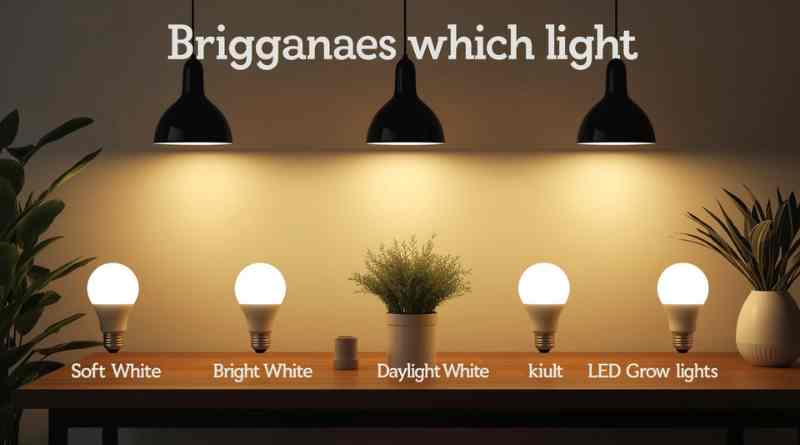
Brigganaes Which Light – Easy Guide to Choose the Right Bulb
Choosing the right light is not as simple as it looks. Different bulbs create different moods, brightness levels, and even affect how comfortable a space feels.
The term brigganaes which light is often used when people are trying to decide which type of lighting works best for their needs, whether it’s for home, work, or plants.
Understanding the basics of light types and brightness can make this decision much easier and more practical.
What Does “Brigganaes Which Light” Really Mean?
Let’s keep it simple.
The phrase “brigganaes which light” isn’t a brand or a technical term. It’s more like an internet search phrase people use when they want help choosing the right type of light.
People usually search this when they are:
- Setting up home lighting
- Comparing brightness levels
- Choosing lights for plants or workspaces
- Trying to save electricity
So in simple words, it means:
“Which light should I choose for my specific need?”
That’s why you’ll see it connected with LED lights, daylight bulbs, eco lighting, and brightness comparisons.
Understanding Light Types Before You Choose
Before you pick anything, you need a basic idea of light types. This makes your decision much easier.
Soft White vs Bright White vs Daylight
These are the most common options you’ll see.
- Soft White (2700K)
Warm and yellowish. It feels cozy and relaxing.
Best for bedrooms and living rooms. - Bright White (3000K–4000K)
Clean and neutral light. Not too warm, not too cool.
Works well in kitchens and bathrooms. - Daylight (5000K–6500K)
Very bright and slightly blue. Feels like natural sunlight.
Perfect for studying, reading, and detailed work.
I think understanding this difference is important, you know, because most people choose the wrong light just based on brightness.
LED vs Halogen vs CFL
Now let’s talk about bulb types.
- LED Lights
Energy-efficient, long-lasting, and low heat.
Best overall choice today. - Halogen Bulbs
Bright but waste more energy.
Heat up quickly and don’t last long. - CFL Bulbs
Better than halogen but slower to start.
Less popular now compared to LEDs.
If you want a simple answer, go with LED. It saves money and works in almost every situation.
Bright White vs Daylight – Which One Should You Pick?
This is one of the most common questions related to brigganaes which light.
Let’s make it simple.
- Bright White feels soft but clear
- Daylight feels sharp and very bright
Even if both have similar brightness (lumens), daylight often looks brighter because of its cool tone.
When to Choose Bright White
- Kitchen lighting
- Bathroom mirrors
- General home use
When to Choose Daylight
- Study rooms
- Offices
- Reading areas
- Garage or workspace
For example, using daylight in a bedroom can feel too harsh. It can even disturb your sleep.
Lumens vs Watts – What Actually Matters?
Many people still think watts mean brightness. That’s not correct anymore.
- Watts = energy usage
- Lumens = brightness
So when choosing light, always check lumens.
Quick Examples:
- 800 lumens = good for a small room
- 1600 lumens = bright room
- 3000+ lumens = large or outdoor space
I think this is where most people make mistakes. They focus on watts and end up choosing the wrong brightness.
Complete Lighting Comparison Table (Better Version)
| Light Type | Color Temp | Brightness Feel | Best For | Energy Use | User Recommendation |
|---|---|---|---|---|---|
| Soft White | 2700K | Warm, relaxing | Bedrooms, living room | Low | Best for comfort |
| Bright White | 3000–4000K | Clean, neutral | Kitchen, bathroom | Low | Balanced choice |
| Daylight | 5000–6500K | Very bright | Study, office | Medium | Focus work |
| Grow Light | Full spec | Plant-friendly | Indoor plants | Medium | Plant growth |
| High-lumen LED | Varies | Extremely bright | Outdoor, security | Medium | Safety use |
This table gives you a quick decision instead of guessing.
How to Choose the Right Light (Step-by-Step)
Choosing the right light becomes easy when you follow a simple process.
Step 1 – Identify Your Purpose
Ask yourself one question: What do I need this light for?
- Relaxation → Soft White
- Work → Bright White or Daylight
- Plants → Grow Lights
- Outdoor → High-lumen LEDs
Step 2 – Pick the Right Brightness (Lumens Guide)
Room size matters a lot.
- Small room → 800–1500 lumens
- Medium room → 1500–3000 lumens
- Large space → 3000+ lumens
Too much brightness can feel uncomfortable.
Step 3 – Choose the Right Color Temperature
Color temperature affects mood.
- Warm light → Relaxing
- Neutral light → Balanced
- Cool light → Focus and alertness
For example, I think for bedrooms, warm light works better, you know, because it feels calm.
Step 4 – Check Energy Efficiency
LED lights use up to 80–85% less energy than traditional bulbs.
This means:
- Lower electricity bills
- Longer lifespan
- Less heat
Step 5 – Match Your Fixture Type
Always check:
- Socket type (E26, E27, etc.)
- Voltage
- Bulb shape
Otherwise, even the best bulb won’t fit.
Best Lighting for Different Use Cases
Let’s make things practical.
Home Lighting (Living Room, Bedroom)
Use soft white for comfort.
It creates a warm environment and helps you relax after a long day.
Kitchen and Bathroom Lighting
Go with bright white.
It gives clear visibility without being too harsh.
Study and Office Setup
Use daylight bulbs.
They improve focus and reduce eye strain during long work hours.
Indoor Plants and Gardening
Use full-spectrum grow lights.
These lights support plant growth even without sunlight.
Outdoor and Security Lighting
Choose high-lumen LED lights.
They provide strong brightness and improve safety at night.
Common Mistakes People Make When Choosing Lights
Let’s avoid some common errors.
- Choosing watts instead of lumens
- Using daylight bulbs in bedrooms
- Ignoring CRI (color accuracy)
- Over-lighting small spaces
- Not checking compatibility
These small mistakes can affect comfort and energy use.
Eco-Friendly Lighting Tips (Simple & Practical)
If you want to save money and energy, follow these tips.
- Switch to LED lights
- Use motion sensors in outdoor areas
- Try smart bulbs for control
- Turn off lights when not needed
LEDs alone can reduce electricity use significantly.
FAQs
Is Brigganaes a brand or just a term?
Brigganaes is not an actual brand. It is a term commonly used online by people seeking guidance on lighting choices. Most websites reference it when providing advice on selecting the right type of light for different needs, whether for home, work, or plant care.
Which light is best for eyes?
For eye comfort, soft white or warm light is usually the best option. These lights create a gentle glow that reduces strain, especially in the evening, and provides a more natural and relaxing environment.
Is daylight better than warm light?
Daylight and warm light serve different purposes. Daylight bulbs are ideal for tasks that require focus, such as studying or office work, because they are bright and clear. Warm light, on the other hand, is better for relaxation, creating a cozy and comfortable atmosphere in bedrooms or living areas.
What is the best light for sleep?
Warm or soft white lighting is considered best before bedtime. This type of light helps your body relax and supports your natural sleep cycle, unlike bright or blue-toned daylight bulbs that can interfere with falling asleep.
Are LED lights safe?
LED lights are safe for everyday use. They produce very little heat compared to traditional bulbs and are energy-efficient, which makes them suitable for both indoor and outdoor lighting without posing safety risks.
Which light is best for studying?
For studying and focused tasks, daylight bulbs are most effective. Their bright, crisp light enhances visibility, reduces eye strain, and helps maintain concentration over longer periods, making them ideal for workspaces and study areas.
Do grow lights replace sunlight?
Grow lights can support indoor plant growth, but they do not fully replace natural sunlight. They are particularly useful in spaces where sunlight is limited, providing the necessary spectrum and intensity for healthy plant development.
How many lumens do I need for a room?
The required lumens depend on the size and purpose of the room. Small rooms typically need around 800–1500 lumens, medium-sized rooms may require 1500–3000 lumens, and large rooms or spaces with high ceilings often need 3000 lumens or more to ensure adequate brightness.
Final Thoughts
Choosing the right light doesn’t have to be complicated.
If you understand your purpose, brightness, and color temperature, everything becomes clear.
So next time you search “brigganaes which light”, just remember:
- Warm light for comfort
- Bright light for daily use
- Daylight for focus
- LED for efficiency
Keep it simple, choose based on your need, and you’ll always get it right.